A sofa can fit your living room and still get stuck at the door. It can also make it into the room and leave you walking sideways around a coffee table for the next five years. Before ordering, make two sets of measurements: one for how the sofa will live in the room and one for how it will get there. A tape measure, a notepad, and a few minutes at the doorway will tell you more than the product photo.
Measure the room as you use it
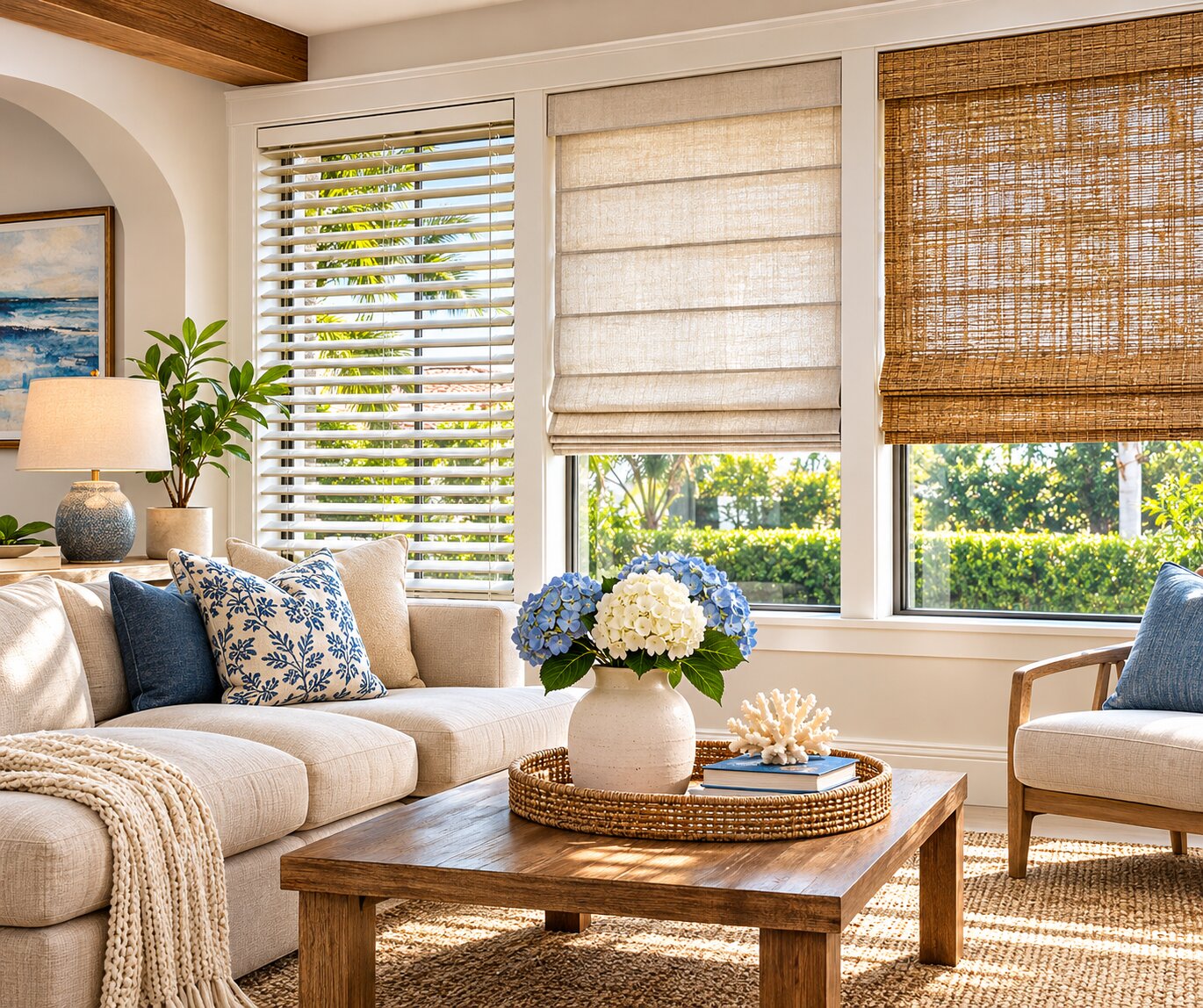
Start with the wall or floor area where the sofa could go. Measure the clear width, not just wall to wall. Take note of baseboards, floor vents, radiators, plugs, window sills, or anything else that might occupy the space. Mark where doors swing and drawers open. If the sofa will sit against a window, check the back height against the sill and the way you use the window coverings. Our guide to coordinating window treatments and furniture has useful ideas for that part of the room.
Use painter’s tape on a floor surface that can tolerate it, or make an outline with paper and temporary markers. Mark the depth and width, and rough in the table you plan to use. Then walk the paths you use most: from the entry to the kitchen, from the sofa to the door, or past the room carrying a laundry basket. Tape can’t show the bulk of the sofa back, but it does show whether the footprint will squeeze your usual route.
Get more than the width from the listing
Find the sofa’s overall width, depth, and height. Seat depth can help you judge how it will feel, but it is not the measurement you use to get past a door. Check for wide arms, high backs, or recliner parts that need extra space to move. For a sectional, get the dimensions for each piece separately, as well as the dimensions for the arrangement you want. A bed or extended footrest needs to be counted in its open position when you plan the room.
Ask which legs or modules are removable and how the piece is packed for delivery. An assembled sofa and its package can differ enough that one fits and the other doesn’t. If you are relying on the legs coming off, ask the seller whether the delivery team can remove them, and whether there is a charge or policy that applies. Do not assume they will open packaging in the lobby, take a door off its hinges, or move furniture that happens to be in the way.
Walk the delivery route from the truck to the room
Measure the narrowest usable opening at every doorway along the route. With the door safely open, measure the space actually available between the stop and the door edge, including any hardware that protrudes. Note height too. Then check hallways, corners, landings, and stairs. A tall ceiling in the lounge won’t help if a sofa needs to rotate on a small landing and there’s a light fixture in the way. A door that looks wide enough head-on can be followed immediately by a turn that offers very little room to pivot. Record the tightest opening and the dimensions of the space on both sides.
If there’s an elevator, write down its clear door opening and usable interior width, depth, and height. Check whether the building has a separate service elevator or delivery entrance and whether you need to reserve it. Take a photo of tricky turns for your own notes. If the measurements leave very little margin or the route has an unusual shape, send the measurements to the seller or ask about a delivery assessment before placing the order.
Plan space for people and future changes
A chaise can be comfortable and still be on the wrong end for the room. Stand where you enter most often and imagine walking around the extended end on a busy day. Check whether you can move the pieces later if the room needs a different layout. A modular setup may make sense in one house and add unnecessary seams in another. Start with how you use the room and decide whether extra flexibility matters to you.
If you are choosing between two sizes, try outlining both, one at a time. The smaller one may create an obvious walkway, or the larger one might let you skip an extra chair and free more space overall. Think through where the second seat, lamp, side table, and any footstool will go. The floor plan is more helpful when it includes how the room looks on a normal evening, not just the sofa floating by itself.
Make one last check before ordering
Put the furniture dimensions, packaging dimensions, and tightest route measurements on the same page. Confirm the exact configuration and the orientation of any chaise or sectional. Ask what happens if the piece can’t be delivered and who would be responsible for return or redelivery charges. A closer fit is worth a second measurement with another person. Once you know it can get in and still leave the room comfortable to walk through, the fun decisions about fabric, shape, and color become easier.
Try a sample set of measurements
Say a compact sofa fits the taped footprint with room to pass, but the seller lists a wider shipping carton. A straight front entrance might still work. A narrow hallway leading immediately to a stair landing might not. Ask the delivery team to look at the carton dimensions and turn, and have another person measure the tightest opening independently. If you’re ordering a sectional, repeat that check for the largest module. A second set of eyes is much easier to arrange before a truck arrives.